National news arrives pre-packaged. Local news has to be dug out. It sits in a planning portal, a parish council minute, a Facebook post from a cricket club short of volunteers, and page 14 of a weekly paper most people never open. That gap is where curation earns its keep.
A good hyperlocal digest does not try to be a newsroom. It reads the paperwork, listens to the groups, follows the threads and hands readers a short, clear account of what actually changed this week in the place they live.
Start with the documents nobody reads
Councils publish far more than most residents realise, and almost all of it is public. Agendas and reports for committees, a forward plan flagging decisions coming up, the planning portal, the licensing register, budget papers, scrutiny reviews and consultation pages. Twenty minutes on a Tuesday morning will usually turn up two or three things worth writing about: a bus route change, a proposed closure of a public toilet block, a decision on school crossing patrols.
Go one level down. Parish and town council minutes are the genuinely hyperlocal layer — a new bench, a dispute over a footpath, a grant to the village hall. In Scotland, look at community council minutes; in Wales, community and town councils; in Northern Ireland, district council committee papers. Where a portal offers saved searches or email alerts for planning applications in a postcode, set them up once and let them do the work.
A word on jargon. If a report says "outline permission" or "statutory consultation", translate it. Readers want to know what it means for their street, not what the committee called it.
The community layer is where the good stories live
Groups are the pulse of a place: the food bank, the repair café, the allotment association, the junior football club, the mosque or church noticesheet, the WI, the scouts, the community library. Their news often never reaches a paper because nobody thinks to send it anywhere.
Get on the mailing lists, and ask to be. Then build the habit of turning up — one meeting a month, one fund-raiser a quarter. A clerk, a coach or a hall secretary who knows your name will tell you things a press release never will, and will tell you early.
When you lift something from a Facebook group, don't screenshot and run. Message the poster, check the details, and ask what they want people to know. Nine times out of ten they will give you a better quote than the post.
Work with the regional press, not around it
Local papers, BBC local radio, community radio and independent hyperlocal sites are colleagues, not rivals. Link to their work, credit the reporter, and quote a line or two with attribution. Lifting whole stories damages the ecosystem you depend on.
Add what they could not. If the paper reports that a library is under threat, your digest can carry the consultation closing date, the ward councillor's name, the address of the meeting and the one paragraph explaining what residents can still influence. That is curation: same fact, more use.
Build a source list you can work through in an hour
Keep it short, fixed and boring. A long list you never open is worse than a short one you check weekly.
- Council: committee pages, forward plan, planning portal, licensing register, consultations page.
- Local democracy: parish or community council minutes, neighbourhood plan group, school governors' minutes, police engagement meetings.
- Community: three or four active Facebook groups, one WhatsApp group, the church or mosque noticesheet, sports club secretaries, the food bank.
- Media: two or three regional titles plus your BBC local radio station.
- People: a clerk, a councillor, a school office manager, a vicar, a publican, a coach. Six names is plenty.
Check it before you publish it
Two questions sort signal from noise. Is this new? And does it change anything for someone living here? A rumour about a shop closing fails both. A licensing application for late opening hours passes both.
Always find the original document rather than the post about the document. If a claim comes from a resident, ring the club or the council and ask directly: "I've seen a post saying the pitch is being sold — can you confirm?" Record what they say and when.
Be careful with material you republish. Many public bodies release information under the Open Government Licence, but individual documents, photographs and maps vary, and a council report may quote a private individual. Defamation, privacy and copyright all apply online, and a small local digest is not invisible. Check terms before reproducing anything in full, and take professional advice if a story involves allegations about a named person or a live legal process. If you get something wrong, correct it at the top of the next edition, plainly, without excuses.
Write the local angle, not the council's words
Give every item the same skeleton: what is happening, where, who decides, when, and what a reader can do about it. Four sentences is often enough.
Use street names, school names, the number of the bus. Keep sentences short and skip the acronyms. If a decision is months away, say so, and keep a running thread so readers can follow it from first mention to final vote. Continuity is what turns a one-off notice into a trusted local habit.
A weekly routine that holds
Consistency beats volume. A 90-minute sweep on the same morning each week will keep a small digest stocked indefinitely.
- Monday, 20 minutes: council committee pages, forward plan and consultations.
- Monday, 20 minutes: planning portal alerts and parish minutes.
- Monday, 20 minutes: community groups and regional press headlines.
- Monday, 20 minutes: calls and messages to verify the three best items.
- Monday, 10 minutes: write, schedule, and note anything to follow up next week.
Keep a single running document of threads — every planning application, every consultation, every campaign — with a date beside each entry. That document becomes your archive, your memory and, eventually, the thing readers come to you for.
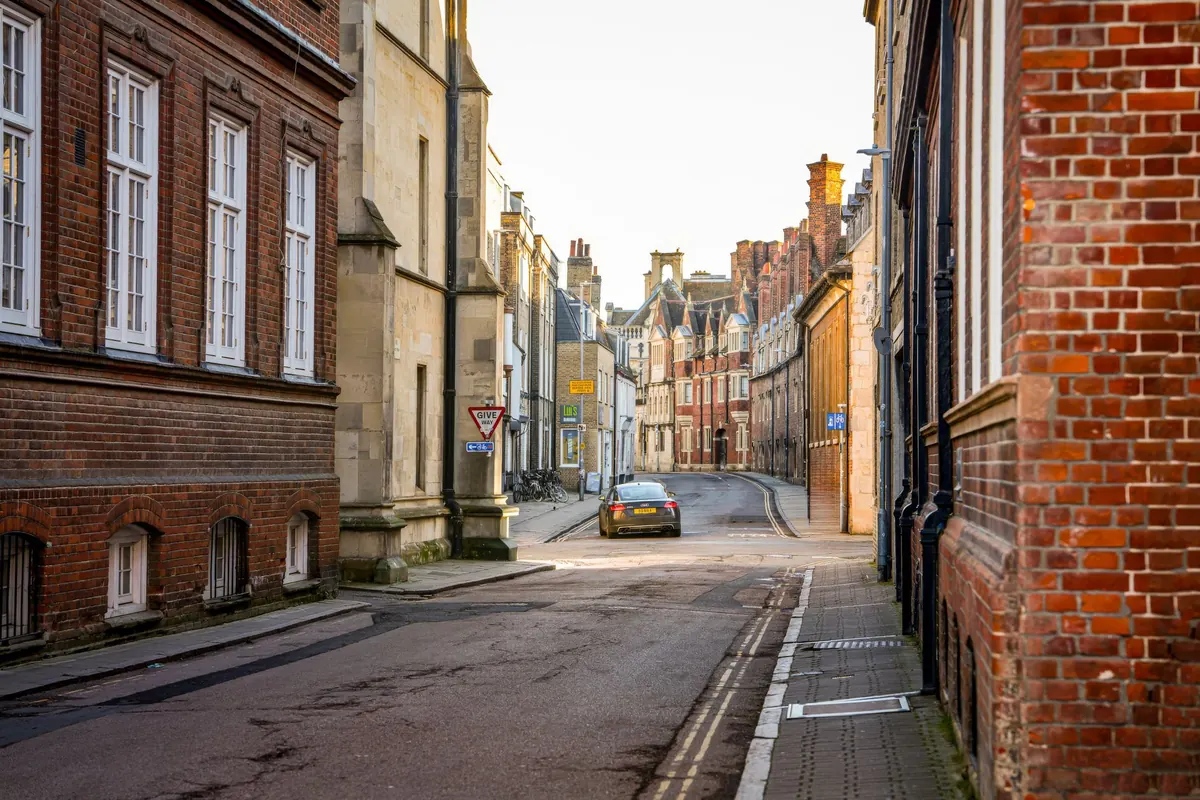
Photo: Cara Denison / Pexels